Author Archives: Ryan

Ronan, Theresa, Roland, and Ryan, Segway in St. Lucia

This is How We Roll – Lucian Style! – by Ryan

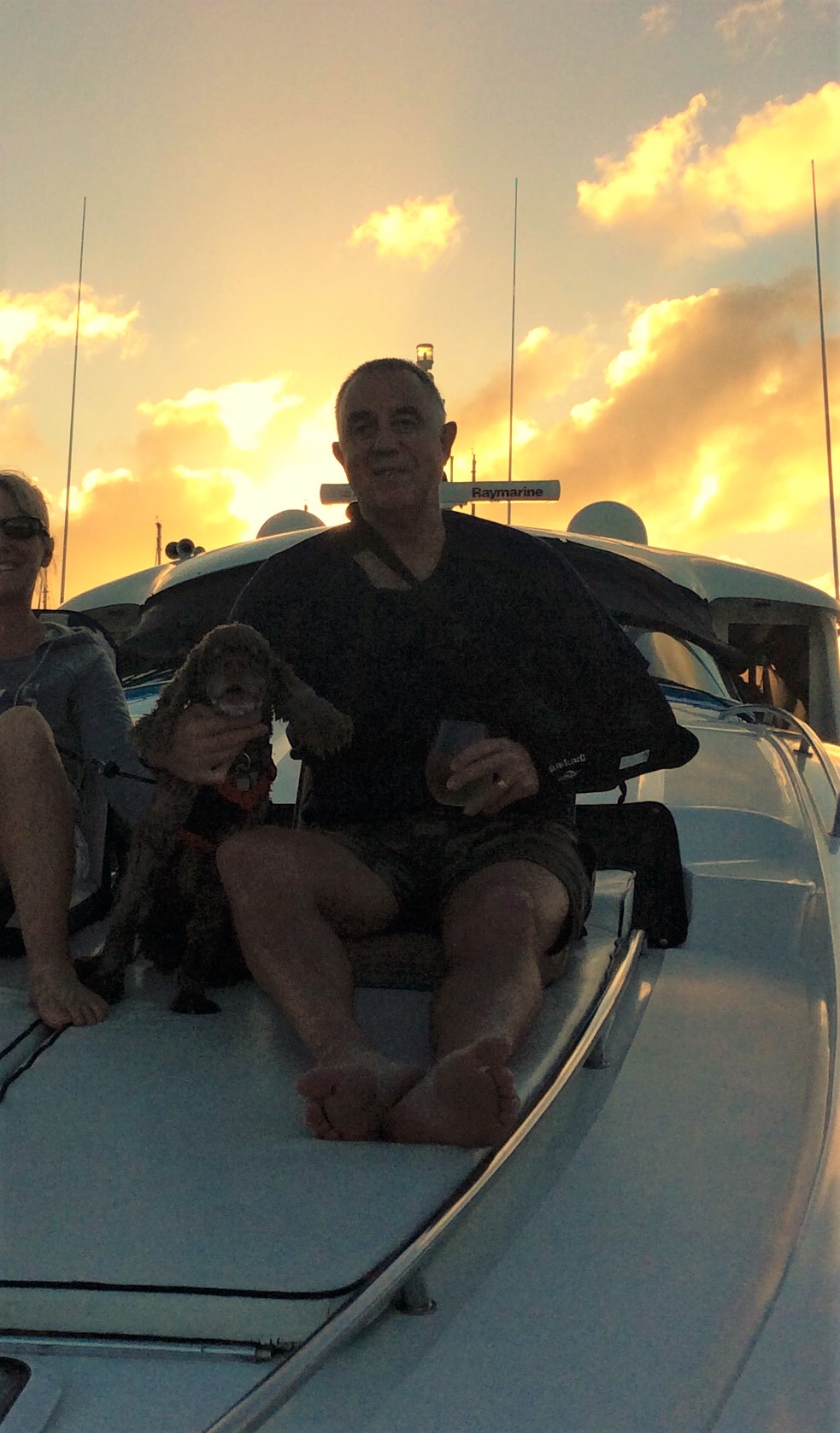
Capt. Randy on the bow, Rodney Bay, St. Lucia

Capt. Randy, arm in a sling,  on the bow, Rodney Bay, St. Lucia

Two weeks post-rotator cuff surgery and the Captain seems to be recovering nicely. Tethered to an ice machine, watching the sun set over Rodney Bay in St. Lucia, is not a terrible way to navigate the post-op rehabilitation process. The hardest part has been keeping the arm immobilized. Anyone with a boat knows that there is always some project that needs to be attended to. Luckily, we have a capable crew willing to take care of, or assist with those never-ending projects. Mom, Ronan and I are becoming ever more familiar with the engine room and various boat systems!

SEGWAY

Roland and Ryan, Segway training in St. Lucia

Roland and Ryan, Segway training in St. Lucia

In the meantime, with the Captain resting and recovering on the boat, Mom, Ronan, and I decided to take a field trip to explore more of the beauty that St. Lucia has to offer. Friends of ours, Rita and Ralph off S/V Calypso, suggested a Segway Tour that sets out from Rodney Bay (http://lucianstyle.com/featured-tours). Just a short walk from the marina, we mounted the Segways and received initial maneuverability instructions. Having never ridden a Segway before, the motion control was initially unfamiliar. After a few minutes of practice, circling around the practice track, we all seemed to get the hang of it and set off!
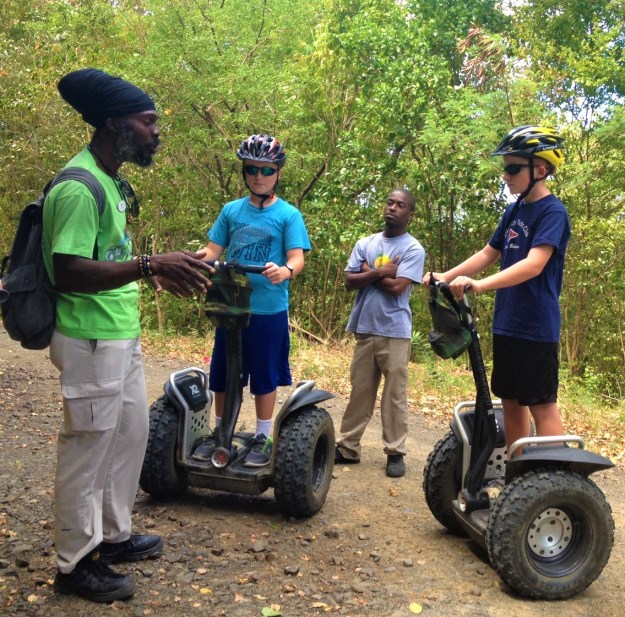
Roland, Ronan and Ryan, Segway in St. Lucia

Roland, Ronan and Ryan, Segway in St. Lucia

We rode along the well-maintained nature trails on Mount Pimard until we arrived at our first stop where our guide, Roland, let us smell the spice of Bay leaf off of a local tree. He also put flowers in all the ladies’ helmets. Next, we stopped at Pebble’s Point looking across Rodney Bay. Roland explained some of the island’s history while his assistant took our Segways out of beginner’s mode and switched them into advanced mode.

Rodney Bay, St. Lucia

Rita, Ryan, Roland, Ronan and Ralph, Rodney Bay, St. Lucia

In advance mode, at a top speed of 14 mph, we kept gliding along the trails (built by the U.S. military during WWII) and stopped to check out a WWII bunker 30 feet underground.

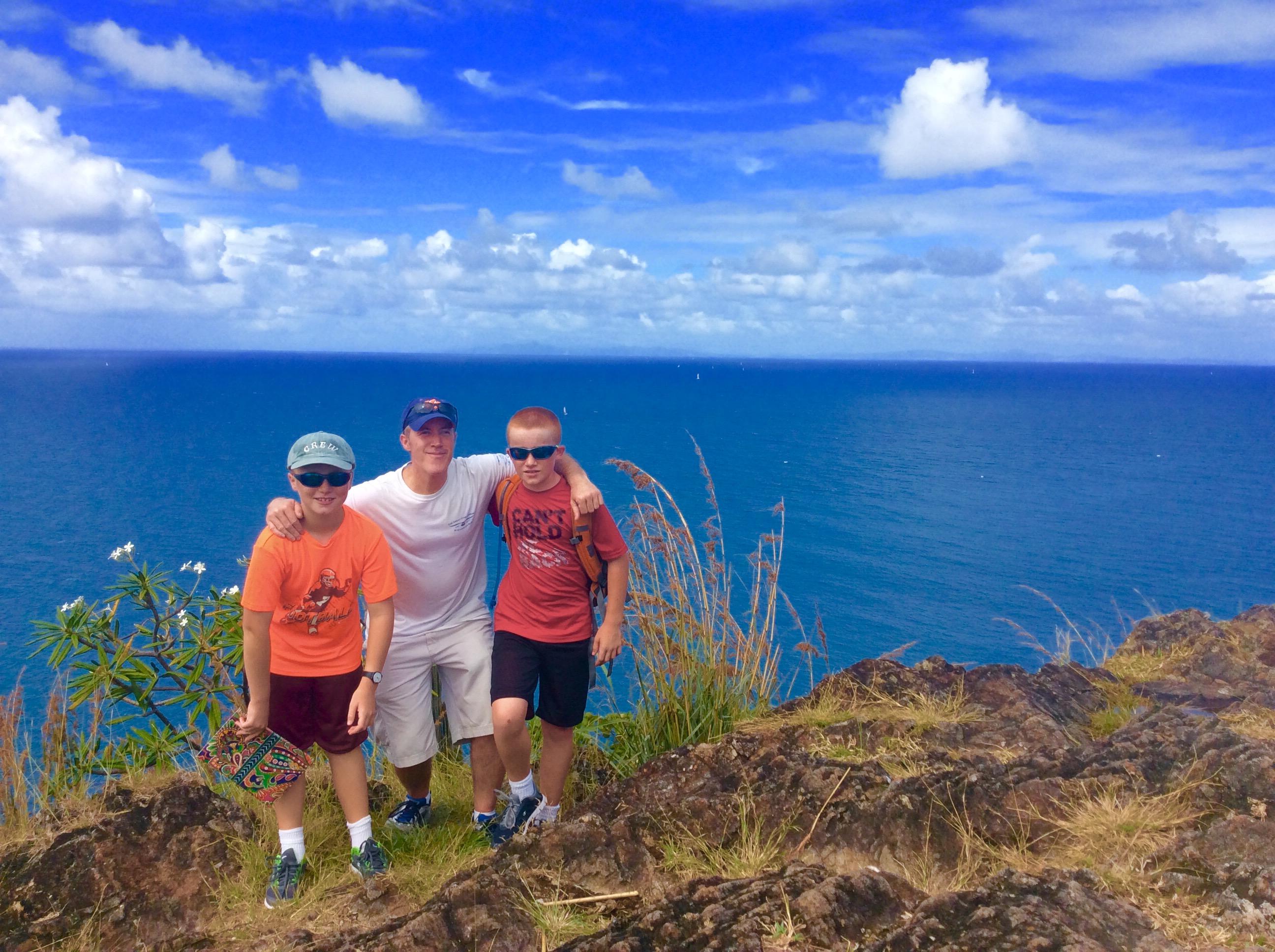
We then proceeded to fly on a straight away dirt trail at about a 40o angle as fast as the Segways could go! We got to an opening with spectacular views!


Rita, Ralph, Ryan, Ronan, Theresa and Roland, Segway in St. Lucia
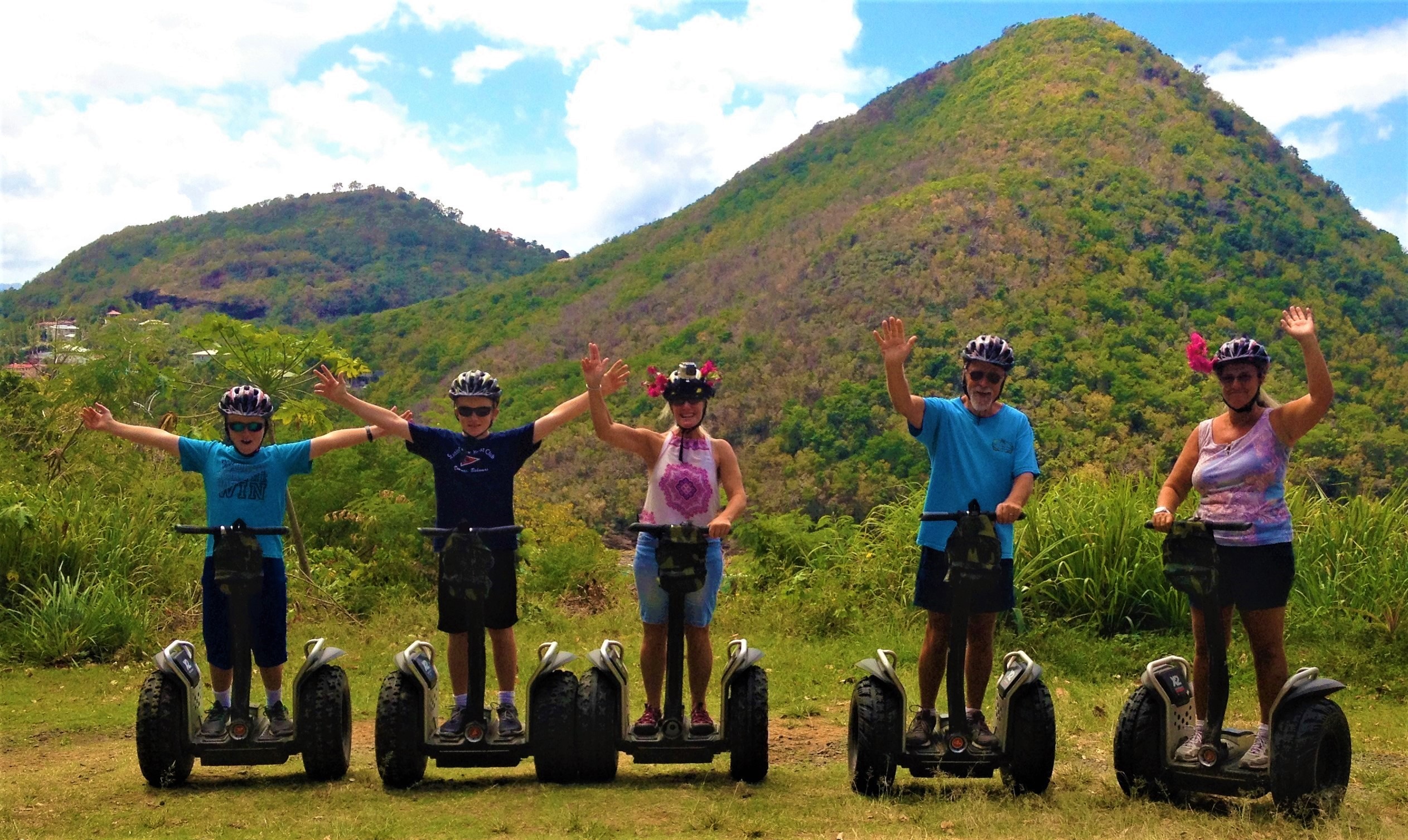
Rita, Ralph, Ryan, Ronan, Theresa and Roland, Segway in St. Lucia

Ronan, Ryan, Theresa, Ralph and Rita, Segway in St. Lucia
Ronan, Ryan, Theresa, Ralph and Rita, Segway in St. Lucia

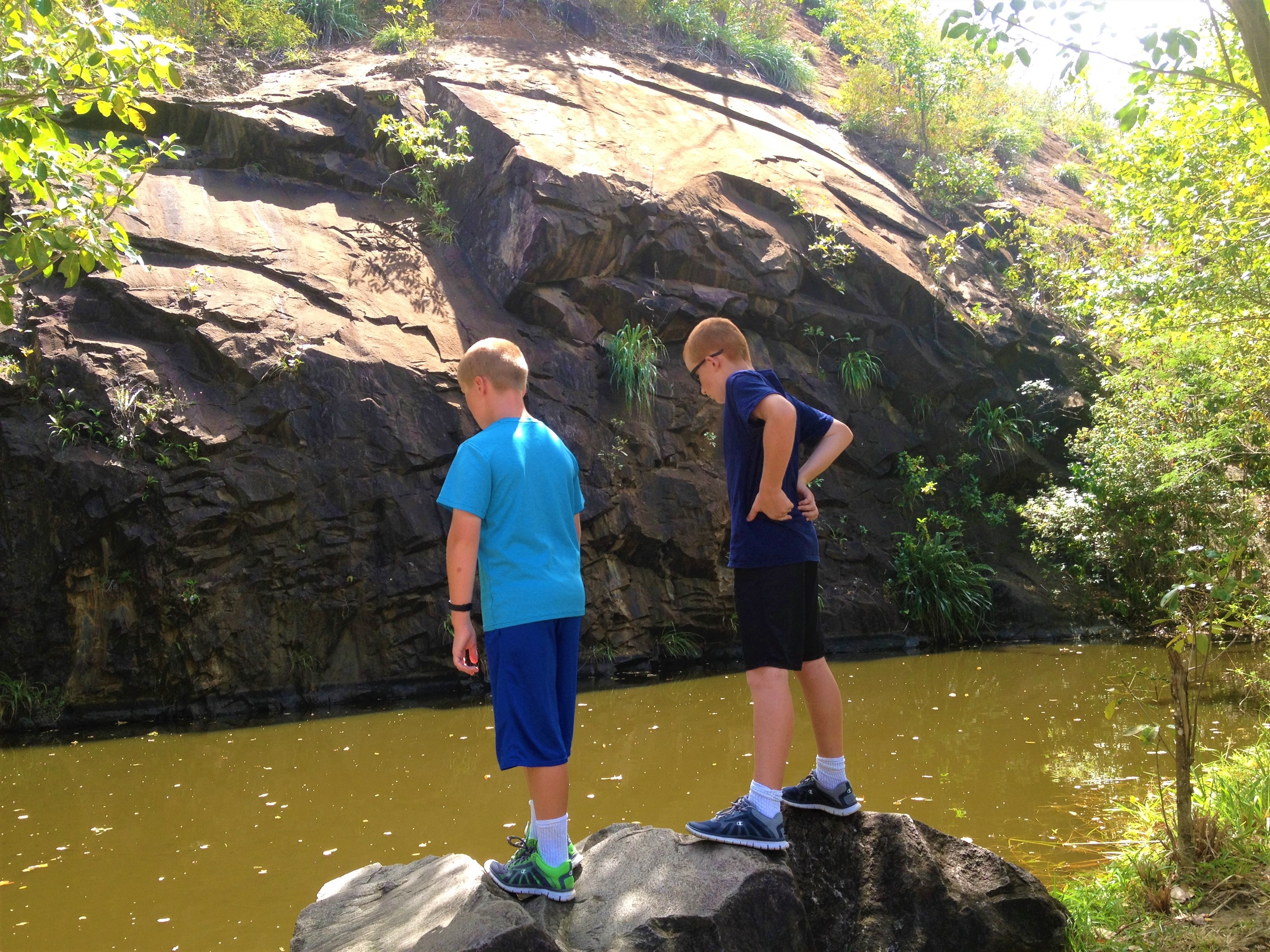
Ronan and Ryan, St. Lucia

Ronan and Ryan, St. Lucia

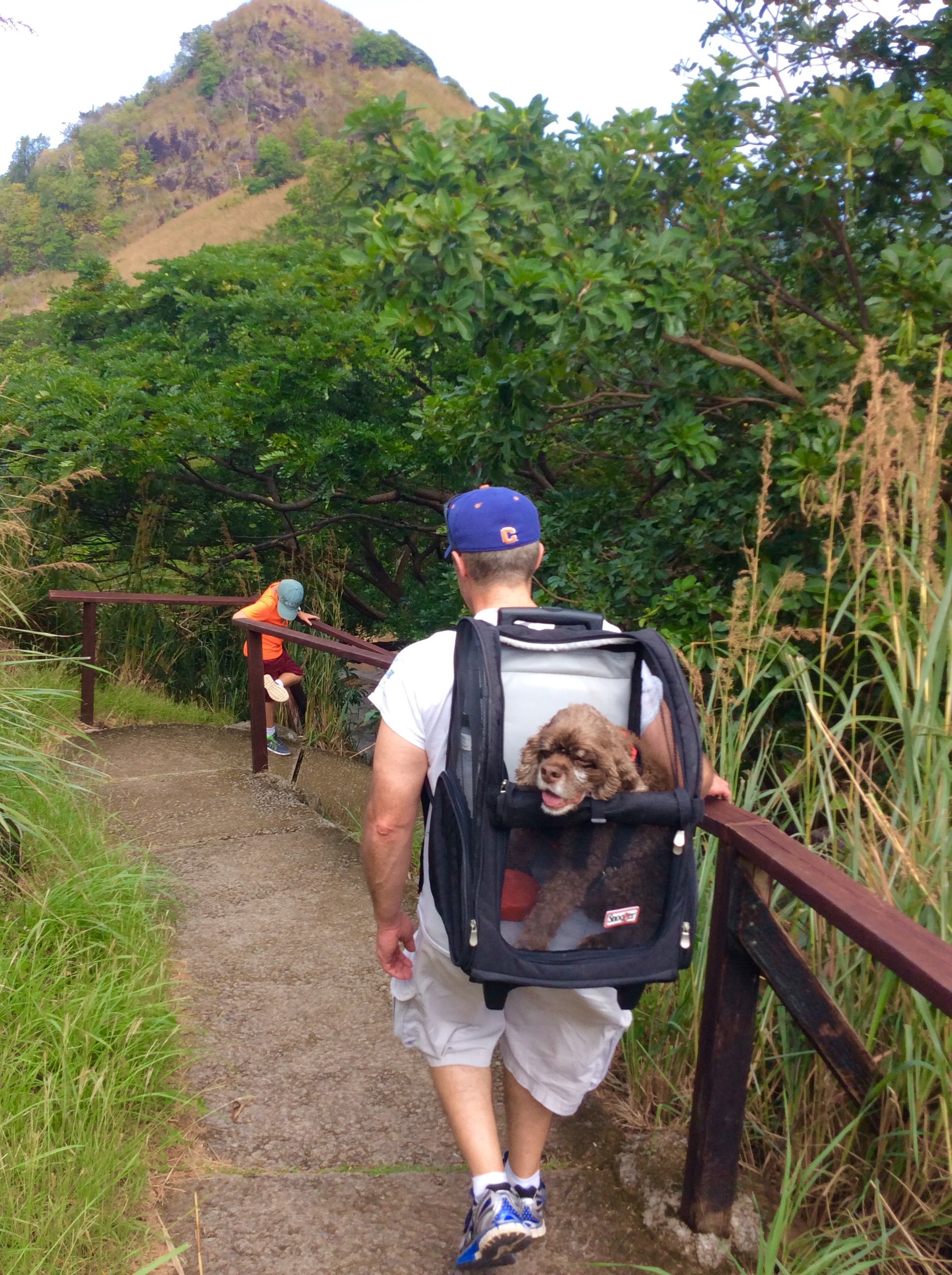
Although not mentioned in the Segway tour brochure, we took a small hike up to a pond. We fed bread to the fish and then came back for Roland’s surprise! Just in case anyone reading this decides to do the tour I will not tell you the surprise. You will just have to find out for yourself! Hint: it came out of a WWII bunker and it was not dust. After that we flew back down the hill and visited yet another spectacular view point. It overlooked Rodney bay and you could see Pigeon island in the background.

It was literally all downhill (the trails) after that. We next visited the South end of Reduit Beach and got sodas at a beach front restaurant.

In the end, we did a victory lap and then returned to the track. We all got official Gliders Licenses for mastering the skill of gliding on a Segway X2. With the license if (probably when) you decide to do this 5-star tour again they put you in advanced mode from the beginning. By far this is the best tour I have taken in the Caribbean! We are hoping to do this tour again, but with the Captain when his arm is better, so he can enjoy this excellent tour as well!

VIDEOS

Click image below for GoPro video of our Segway adventures.

Ronan, Theresa, Ryan and Patton, Fort Rodney, Pigeon Island, St. Lucia

Hiking to Fort Rodney, Pigeon Island National Park, St. Lucia – by Ryan

After viewing Pigeon Island from the sea, by both boat and kayak, and by land from our marina, last week we decided to take a hike over there to check it out.

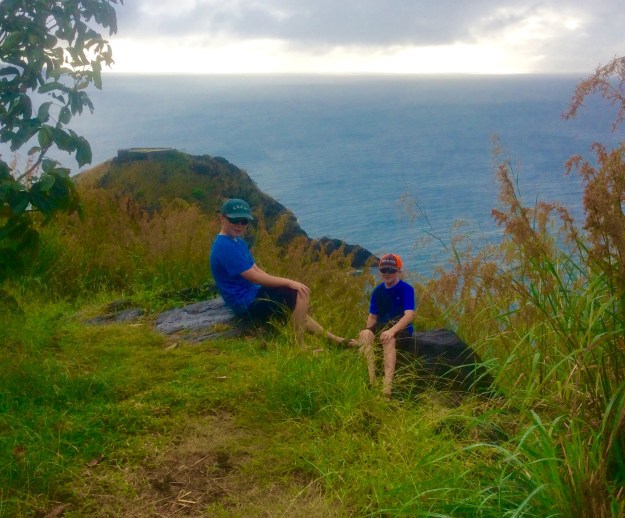
Ronan and Ryan, Fort Rodney, St. Lucia

Ronan and Ryan, Fort Rodney, St. Lucia

Theresa, Fort Rodney, St. Lucia

Theresa, Fort Rodney, St. Lucia

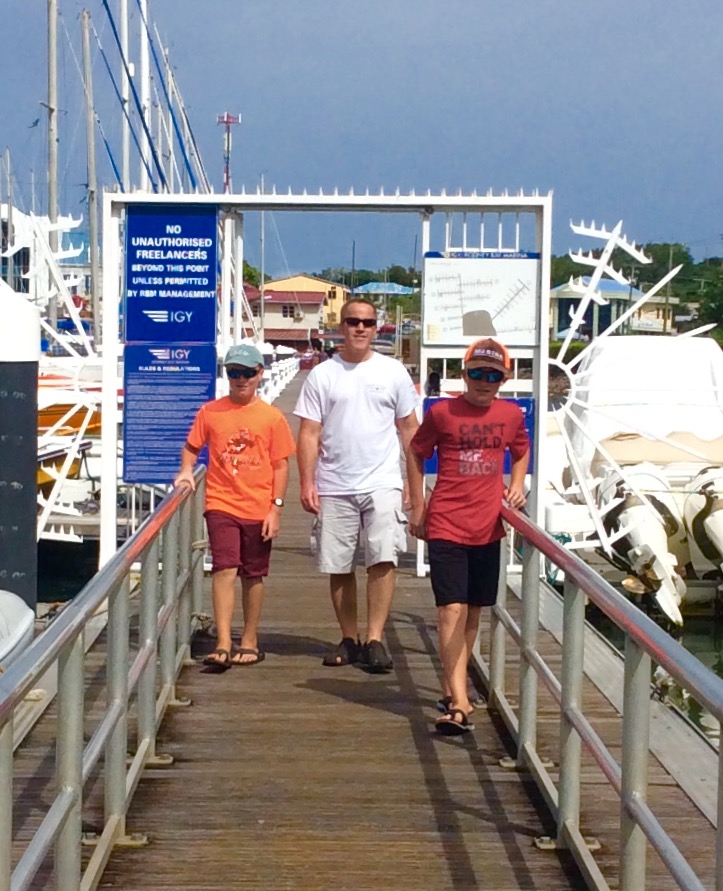
Taking a left out of the marina gate, it is approximately a 40-minute hike to the island. We had so much fun over there that when our Uncle Jim came to visit, we took him to the fort to explore too.

Ronan, James and Ryan departing Rodney Bay Marina, St. Lucia

Ronan, Uncle  Jim, and Ryan departing Rodney Bay Marina, St. Lucia

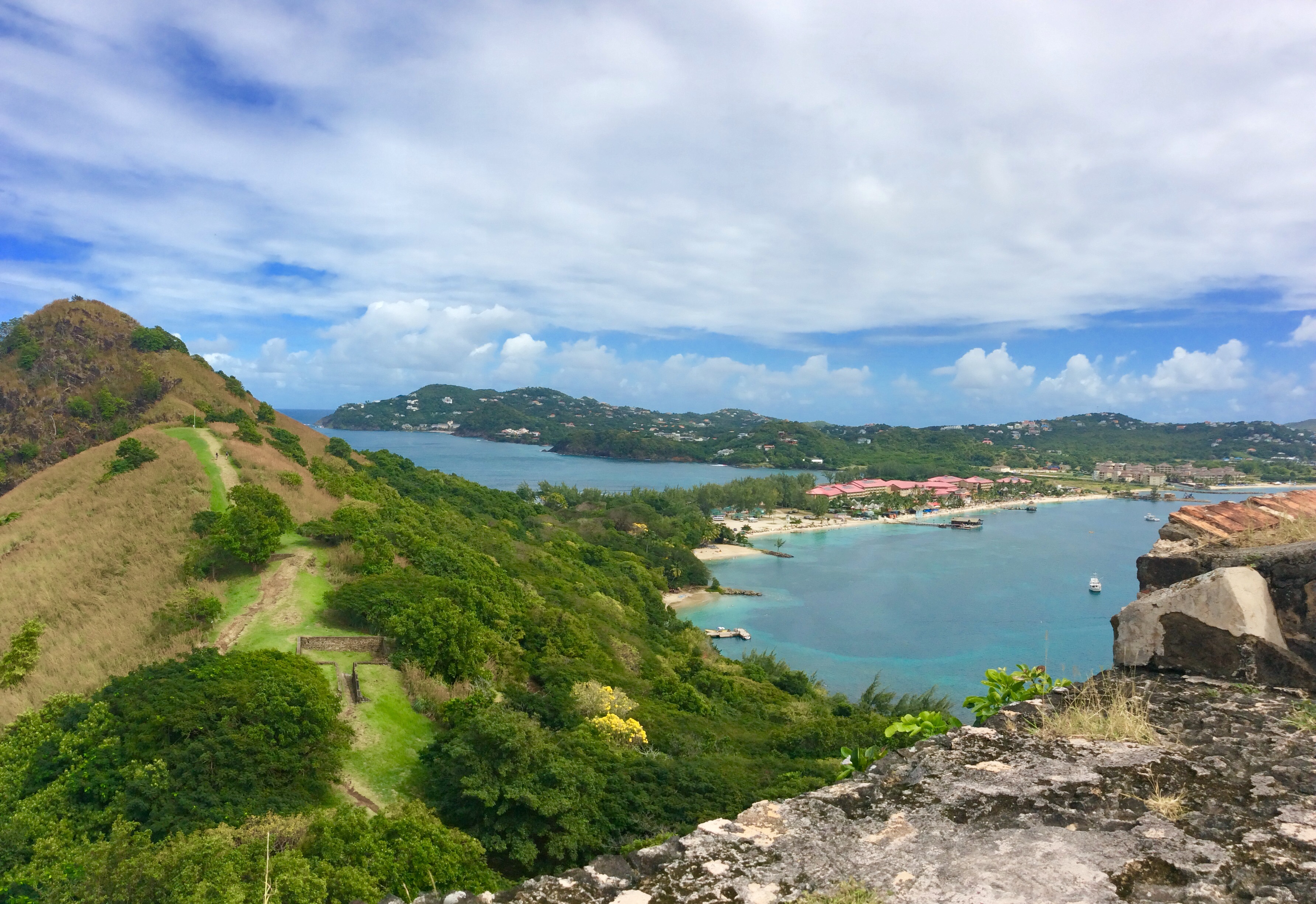
Pigeon island is actually connected to mainland St. Lucia (i.e. it’s more like a peninsula). Wondering why they call it an island, I looked it up and learned that “once isolated from mainland, St. Lucia, in the Caribbean Sea, the island was artificially joined to the western coast of the mainland in 1972 by a man-made causeway built from dirt excavated to form the Rodney Bay Marina. “Pigeon Island (Saint Lucia).” Wikipedia. Wikimedia Foundation, n.d. Web. 07 Jan. 2017.

Pigeon Island land bridge (red roof tops are Sandals Resort), St. Lucia

Pigeon Island land bridge (red roof tops are Sandals Resort), St. Lucia

After arriving at the Pigeon Island National Park, we paid the admission fee and started up the first hill to Fort Rodney.

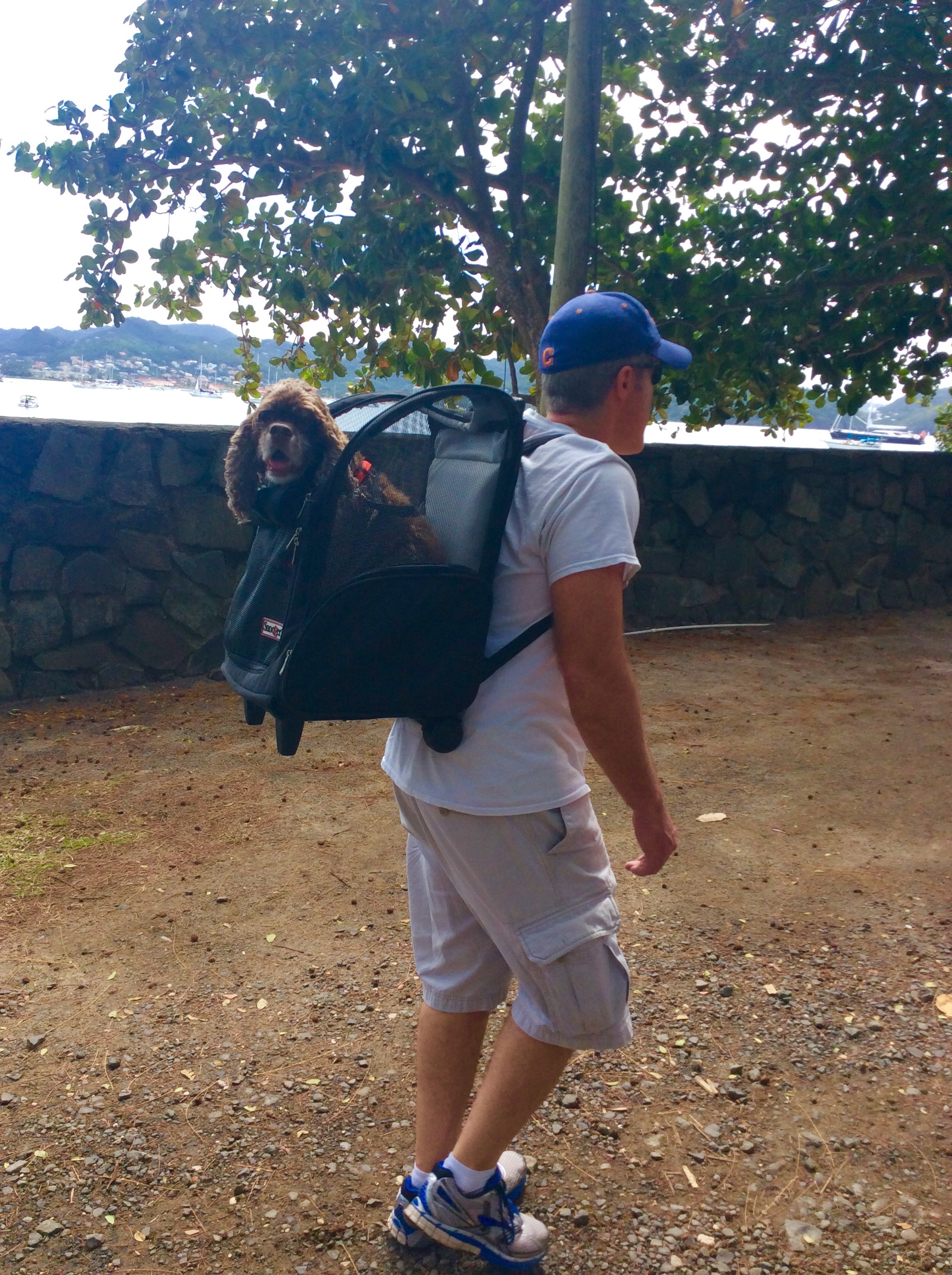
Patton and James, hiking to Fort Rodney, St. Lucia

Patton and Uncle Jim, hiking to Fort Rodney, St. Lucia

Fort Rodney is named after a renowned British Admiral. Admiral Rodney is most famous for defeating the French at the Battle of the Saintes in 1782. The French originally settled St. Lucia but they fought the British for it three years after signing their peace treaty with the Caribs in 1660. Control of the island switched back and forth 14 times, seven times to the French and seven times to the British. The British won control the fourteenth time and they had control of the island until St. Lucia gained their independence on February 22, 1979.

We first arrived at a platform overlooking Rodney Bay (also named after the Admiral). The views were spectacular!

Theresa, Ryan, Ronan, James and Patton, Fort Rodney, St. Lucia

Theresa, Ryan, Ronan, Uncle Jim, and Patton, Fort Rodney, St. Lucia

On a clear day looking north you can see the island of Martinique, approximately nineteen (19) nautical miles across the Martinique/St. Lucia channel.

Looking north from Fort Rodney, Pigeon Island, St. Lucia (Martinique on the horizon)

Looking north from Fort Rodney, Pigeon Island, St. Lucia (Martinique on the horizon)

When it was initially built in 1778, one of Fort Rodney’s purposes was to spy on French ships up in Martinique. The lower fort had a couple cannons and more great views. We even got to climb down a ladder into the gun powder room.

There was a sign explaining the system they used to bring cannons off of Admiral Rodney’s ships up to the fort. Using a pulley system, they hoisted the cannons off the deck to the top of the mast and then over to the fort.

Patton and James, hiking Fort Rodney, St. Lucia

Patton and Uncle Jim, hiking Fort Rodney, St. Lucia

We went back down half way and then scaled the next hill. The trail up to Signal Peak was a little steeper than up to Fort Rodney. The signaling peak was used by the United States during WWII as a naval communications signal station until 1947. Flags were hoisted up a large pole to send signals to vessels at sea.

The views at the signaling station were just as good if not better than the views from the lower fort.  

U.S. Signal Station (1941), Fort Rodney, St. Lucia

U.S. Signal Station (1941-1947), Fort Rodney, St. Lucia


Ronan, James and Ryan (Martinique on the horizon), Fort Rodney, St. Lucia

Ronan, James and Ryan (Martinique on the horizon), Fort Rodney, St. Lucia


The hike down from the upper peak would be difficult for people afraid of heights. On our way down we saw a strategic fort on the side of the hill for armed soldiers to fire down on the enemy while being protected by the stone wall.

Ryan, James and Ronan, Pigeon Island, St. Lucia

Ryan, Uncle Jim and Ronan, Pigeon Island, St. Lucia

We really enjoyed hiking around Fort Rodney, Pigeon Island with our Uncle Jim. I would definitely recommend this hike to anyone on St. Lucia. If you are staying at a nearby marina or anchorage, and you do not like hiking, there is a dinghy dock right on Pigeon Island.

VIDEO

Click image below for additional pictures and video of Fort Rodney, Pigeon Island, St. Lucia hiking adventure.


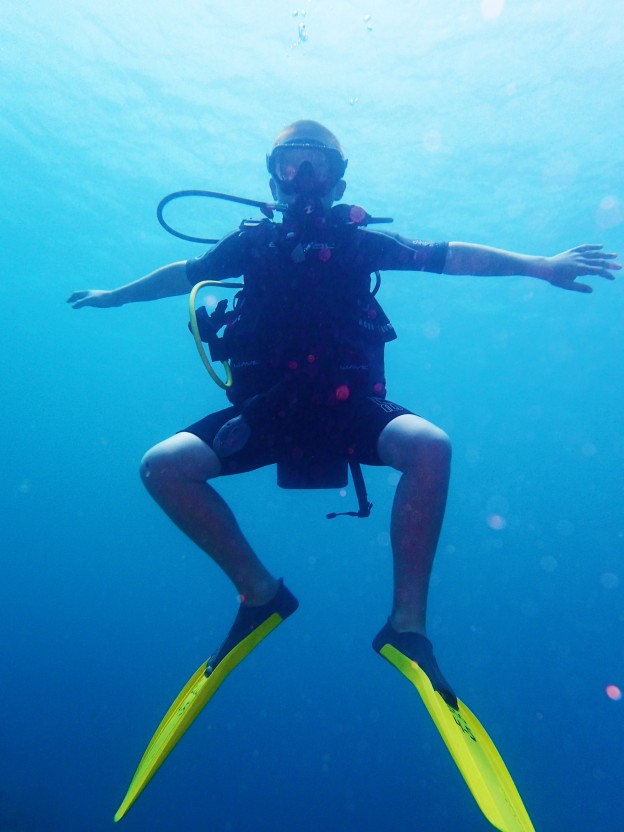
Ryan at the under water sculpture park, Molinere Bay, Grenada

Diving in Grenada – by Ryan

Ryan getting ready to dive

Ryan getting ready to dive

During our stay on Grenada we have made the decision to practice what we learned earlier while in St. Lucia where Randy and I became  PADI certified by training at Dive St. Lucia. (See Learning to Scuba Dive in St. Lucia (by Ryan), June 5, 2016.) Randy, our boat neighbors, Capt. John, Mrs. Paulette, M/V Seamantha, Capt. Ed, and Mrs. Cheryl, S/V Slowdown, and I hopped on a bus one morning and went down to the Radisson Hotel on Grand Anse Beach. We used the Eco Dive shop which is conveniently located at the rear of the hotel’s grounds on the beach. We all picked out the appropriate equipment that fit us, and then hopped onto the boat which was waiting moored right off the beach.

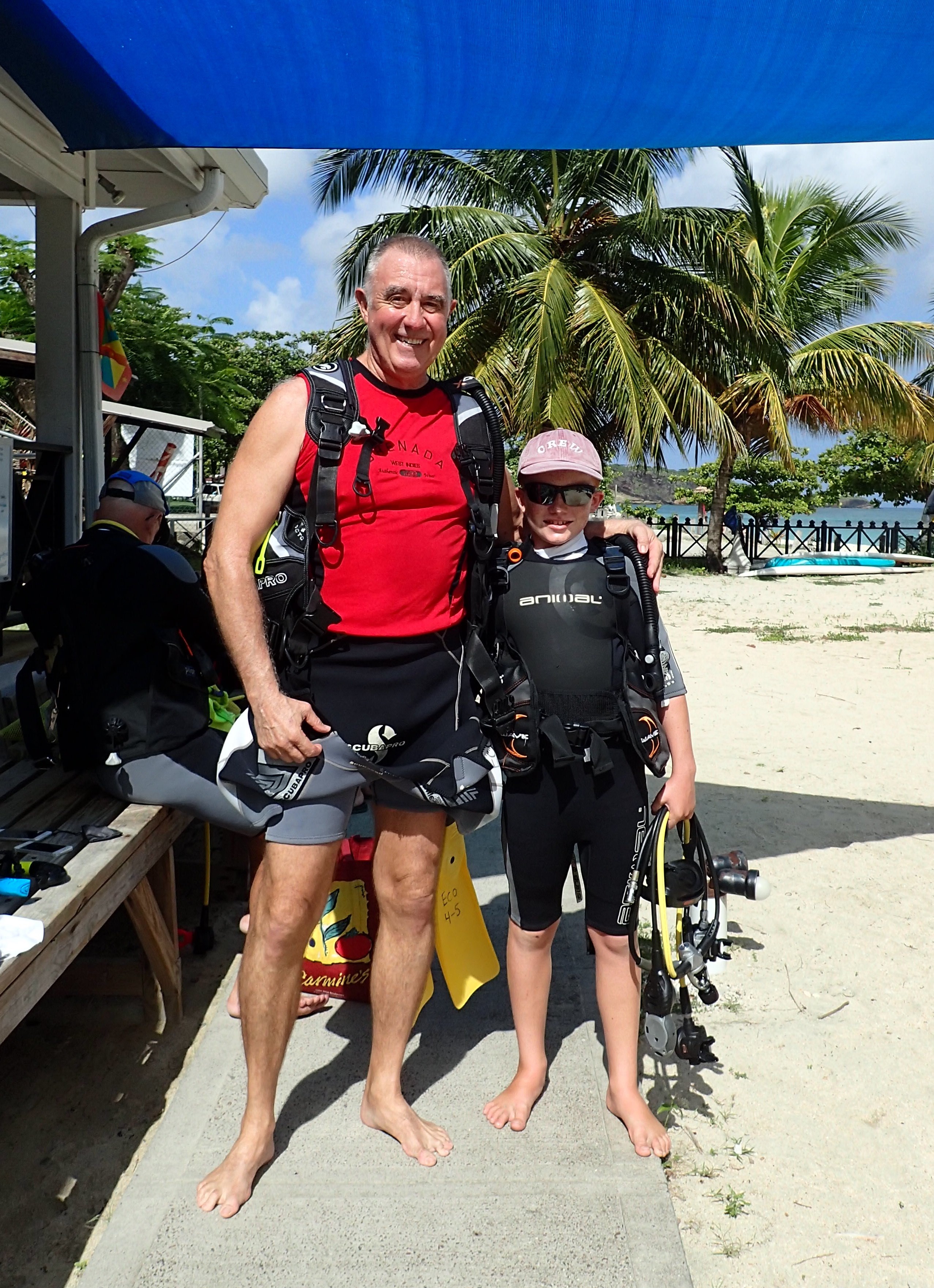
Randy and Ryan ready to dive Grenada!

Randy and Ryan ready to dive Grenada!

We sped north on the speed boat up to Flamingo Bay. When we got there,  we put our gear on, did the final check, and jumped in the water.

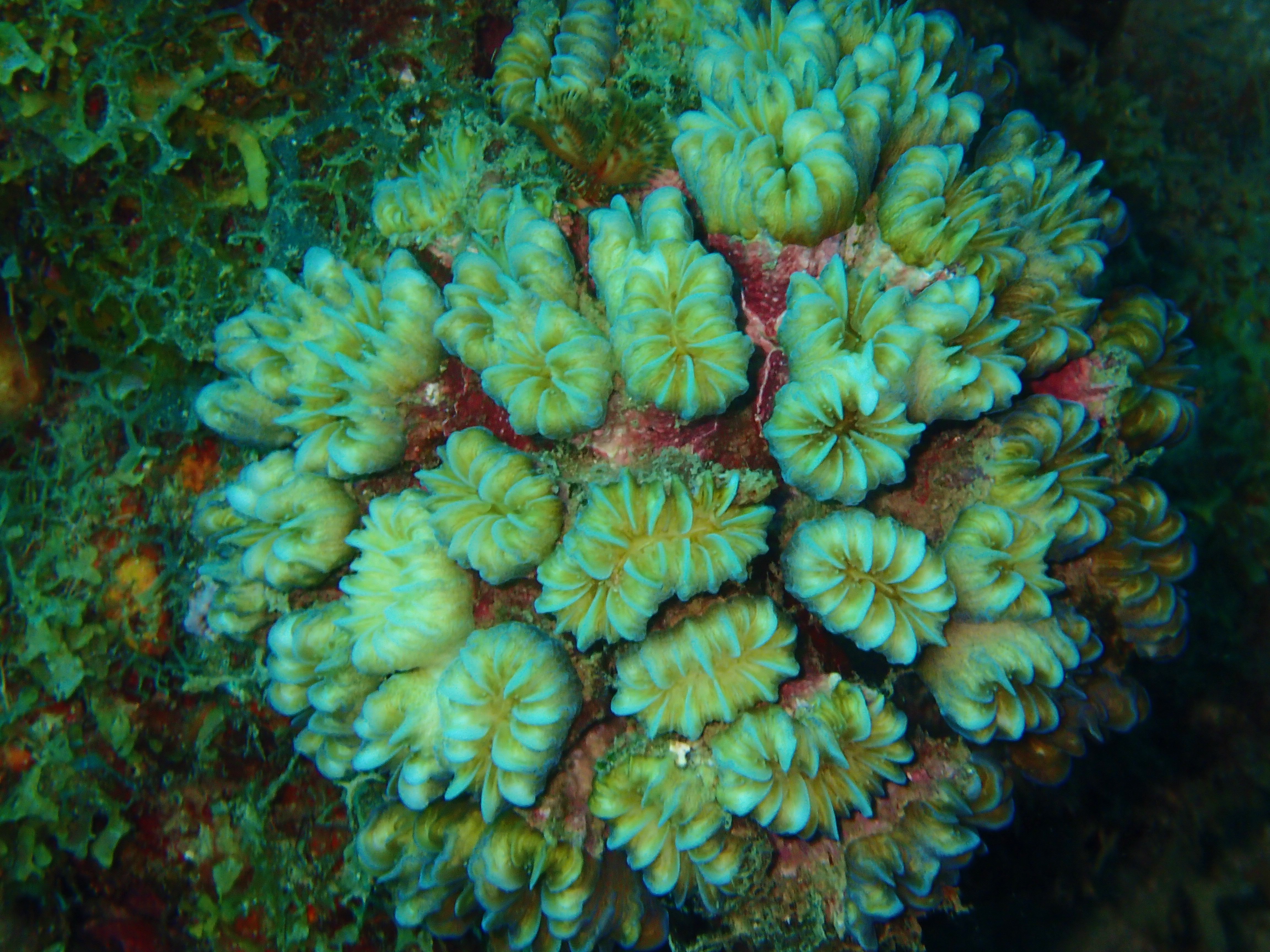
We saw many underwater attractions at this amazing dive sit including eels, lobster, coral, and a huge, very intimidating barracuda!

Coral at Flamingo Bay, Grenada

Coral at Flamingo Bay, Grenada

Lion fish, Flamingo Bay, Grenada

Lion fish, Flamingo Bay, Grenada

On our first dive we also saw a lionfish. Lionfish are not indigenous to the waters of Grenada or the Caribbean. They are an unnatural invasive species that have no natural predators in the Caribbean. Many dive centers encourage divers throughout the Caribbean to go on lionfish hunts to reduce their population and help protect the reefs. If you encounter a lionfish you must be careful though, because the venom in their spines, while not lethal, will cause immense pain!

After 35 minutes we surfaced and rejoined the dive boat. Randy and I got out of the water before everyone else because they were diving deeper than 40 feet which is my limit. After everyone was securely on the boat, we started heading south towards the Underwater Statue Park.

We all switched tanks from our empty tanks to our full tanks. Once we got to the Underwater Statue Park we put our gear on for the second time and then hopped into the water.

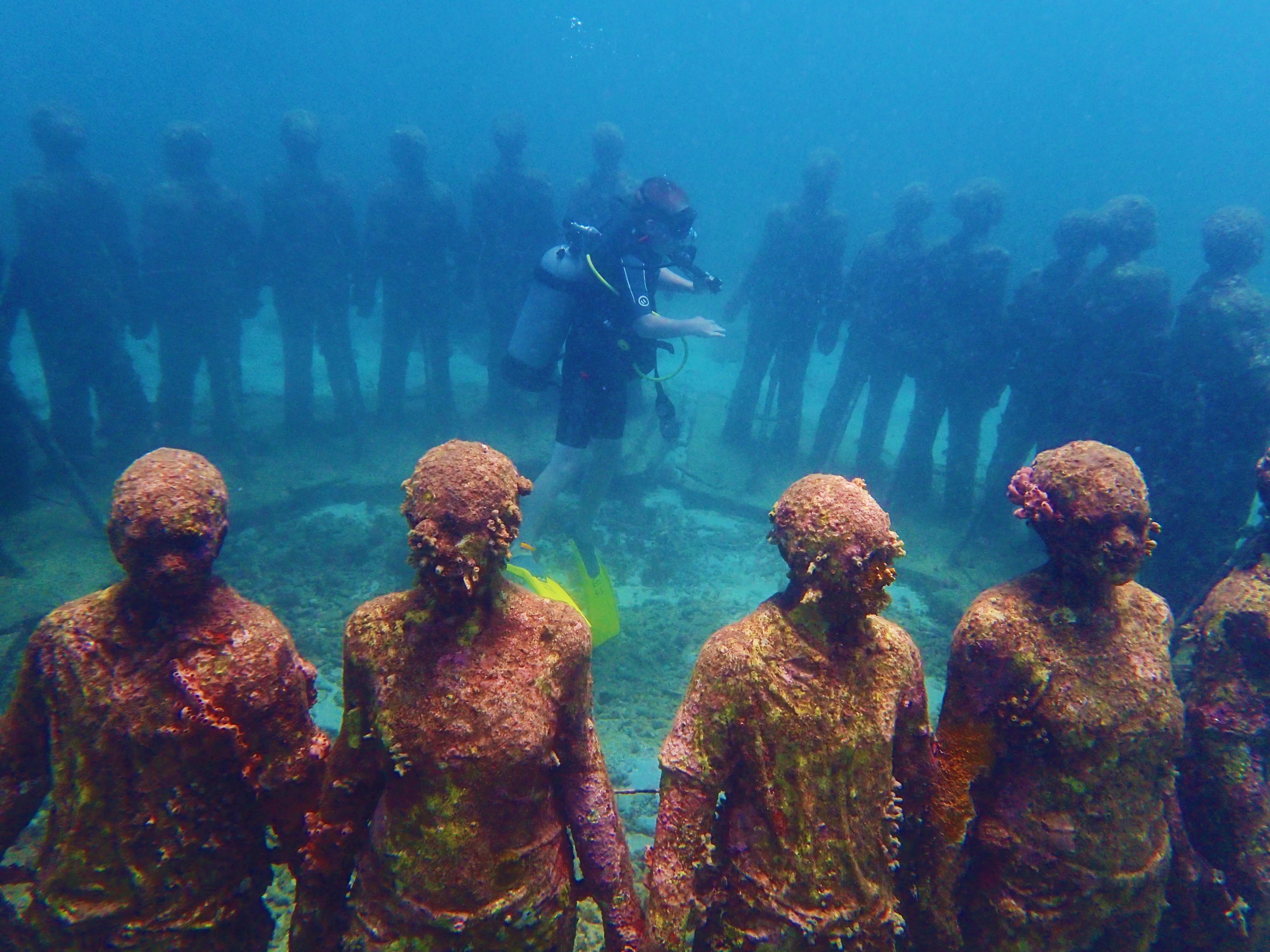
We saw all of the statues that we have seen while snorkeling on previous visits and then some. It was very cool to see it from the different perspective of a scuba diver.

(Ryan) Typing at the desk, Underwater Sculpture Park, Molinere Bay, Grenada

(Ryan) Typing at the desk, Underwater Sculpture Park, Molinere Bay, Grenada

Ryan amidst the Underwater Sculpture Park, Molinere Bay, Grenada

Ryan amidst the Underwater Sculpture Park, Molinere Bay, Grenada

Underwater Sculpture Park, Molinere Bay, Grenada

Underwater Sculpture Park, Molinere Bay, Grenada

On our second dive at the Underwater Statue Park we also saw very many fish and coral amongst the statues.


School of fish, Underwater Sculpture Park, Grenada

School of fish, Underwater Sculpture Park, Grenada


Eco Dive crew taking us back ashore after two great dives, Grenada

Eco Dive crew taking us back ashore after two great dives, Grenada

We stayed under for 25 minutes and then surfaced again. Like last time, the boat was there in no time. We then proceeded to fly back to the dive shop on the dive boat (the Nutmeg Princess). We turned in all of the equipment and then had lunch next door. It was lots of fun and a wonderful experience for everyone! Becoming a certified open water diver has been a wonderful experience for me and provided me the foundation for a lifetime of learning.

Randy & Ryan, another great dive! (Grenada)

Randy & Ryan, another great dive! (Grenada)

Dive flag, St. Lucia

Learning to Scuba Dive in St. Lucia – by Ryan

Dive St. Lucia logo

Dive St. Lucia

Have you ever wondered what it would be like to breathe underwater? Well, I did. That is why, after having it highly recommended to us by some of our friends, my family and I signed up for the PADI (Professional Association of Dive Instructors) Open Water Dive course at Dive Saint Lucia. Dive Saint Lucia, in Rodney Bay, St. Lucia, was the nicest dive shop we have ever seen. All of the facilities were designed and built specifically with scuba diving training in mind. The dive boats are brand new and all of the equipment is first rate. As a result, we were looking forward to starting the dive course.

After completing the online Open Water Diver PADI course and final exam, we showed up at the dive shop ready to go. Our instructor (Julia) helped us pick out the equipment we would be using for the duration of the course.

Learning about the scuba equipment, St. Lucia

Learning about the scuba equipment, St. Lucia

Ronan only took the trial course in the pool so he will have an idea of what it will be like when he and our Mom get certified when we come back next year. Everyone in our group learned how to set up all of the equipment which would prove to be an essential skill during the course of our training.

Ronan learning about the gear, Dive St. Lucia

Ronan learning about the gear, Dive St. Lucia

To demonstrate that we were strong enough swimmers to dive, we had to swim 15 laps in the pool and tread water or float for 10 minutes.
Ten laps to get started

Fifteen laps to get started

After that, our group, plus the instructor and training instructor, did scuba exercises at the bottom of the pool. Our first breaths underwater were amazing!

Time to get in the pool, Dive St. Lucia

Time to get in the pool, Dive St. Lucia

Ryan & Randy's first breaths under the water

Ryan & Randy’s first breaths under the water

Ronan's first breaths under the water, Dive St. Lucia

Ronan’s first breaths under the water, Dive St. Lucia

We did exercises underwater like fill and clear your mask of water, surface with your buddy breathing from your octopus (alternate air source), and inflating and deflating our Buoyancy Control Devices (BCD). At the end of the first confined (in the pool) water dives we felt like we understood the material that was taught and were ready for the open water (ocean) dives the next day.

Lessons in the pool, Dive St. Lucia

Lessons in the pool, Dive St. Lucia

Lessons in the pool, Dive St. Lucia

Lessons in the pool, Dive St. Lucia

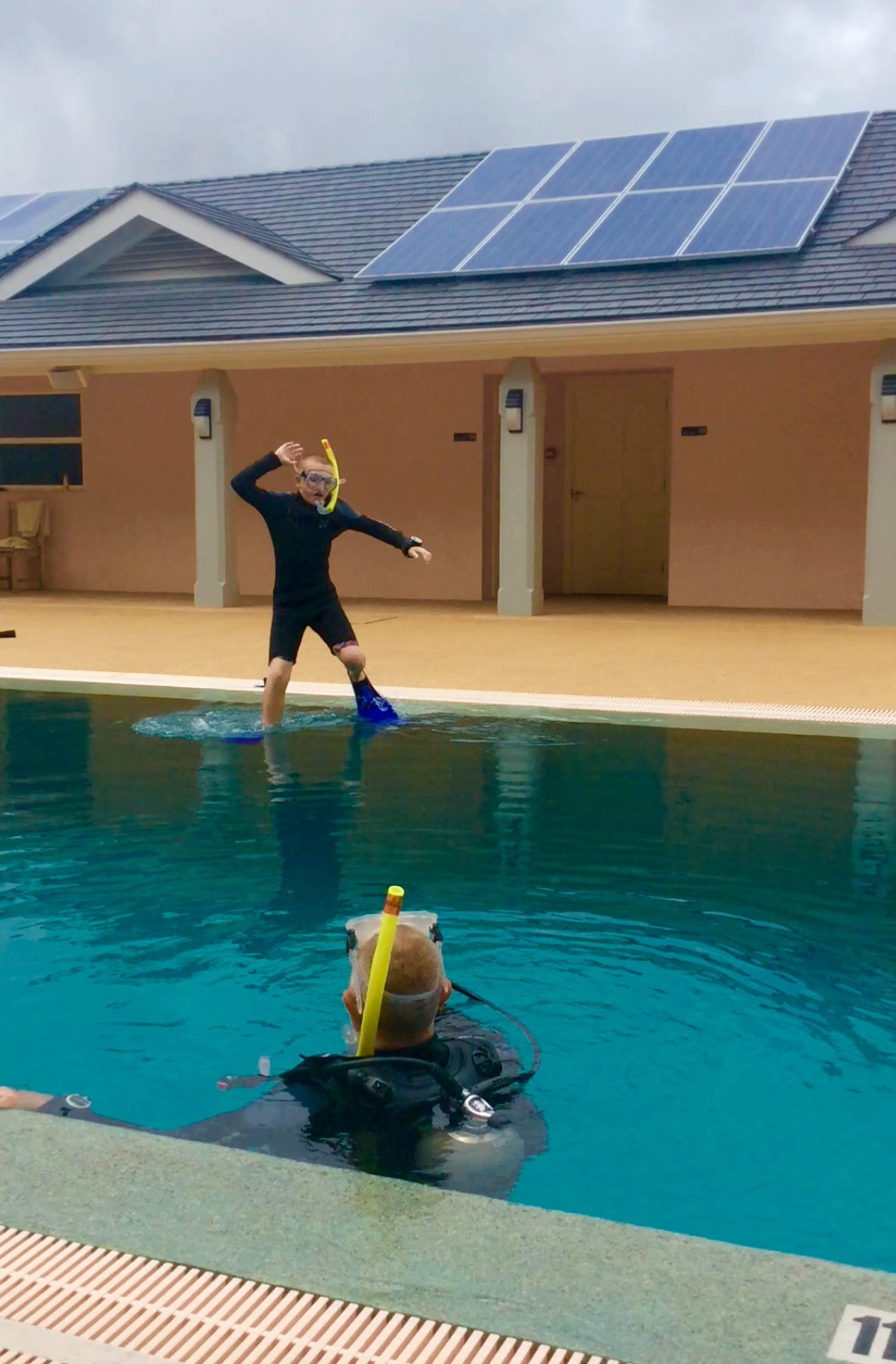
In the morning of the second day we had to do some drills in the pool before getting on the boat. We practiced the long step into the water which was the technique we would be using to get off the dive boat into the ocean.

Ryan stepping into the pool, St. Lucia

Ryan stepping into the pool, St. Lucia

After that we took a boat ride to the south side of the island to the dive site.

Ryan on the dive boat, St. Lucia

Ryan on the dive boat, St. Lucia

We were one bay north of the Pitons. Once we were there we were already geared up so we got into the water.

We descended onto a sandy bottom and practiced some of the drills that we did in the pool in the ocean. Then, when we were done with the exercises, we swam underwater around the surrounding reef.

It was very cool! We saw moray eels, sea snakes, and sea spiders!

This slideshow requires JavaScript.

The deepest we went on our first open water dive was 12 meters (40 feet). That is the maximum that I am allowed to dive because I am still not old enough to be allowed to go the depth of an older (over 14) PADI open water diver, which is 20 meters (60 feet).

The second dive site was a ten minute boat ride north. We used the same procedure and got our gear ready before we got there so we could just get right in. When we jumped in we descended almost right after. Once we got to the bottom we did more scuba drill exercises. After completing those we did a big circle around the reef. We saw similar sea life to what we saw on the first dive. Later when we ascended we practiced the tired diver tow on the surface. Randy towed me a quarter mile back to the boat! The first two open water dives were amazing and we were excited that we had two more dives the next day.

Dive instructor "Julia" showing chart of dive site

Dive instructor “Julia” showing chart of Anse Cochon North dive site

The next day, when we got to the dive shop, we did not have to jump in the pool or set up gear. It was just straight to the boat after getting briefed on how to use an underwater compass. The dive sites on the second day were not as far but we did have to stop in Marigot Bay again to pick up some people. The first dive site was Anse Cochon north. Once we got off the boat and descended we practiced taking off our masks completely and putting them back on underwater and navigating underwater with a compass. Then, like the other dives, after doing the work we got to play by checking out the reef. On this dive we saw aquatic life like shrimp, jaw fish, and coral. After making our safety stop and ascending to the surface we did a drill where we swim staying on an assigned heading with the compass. The boat came and picked us up and brought us to the second dive site which was Anse Cochon south. The boat dropped a few people off in one spot, some other people off in another spot, and then finally we got to hop in. This was our last dive for the PADI Open Water Diver course. There were no drills or exercises on our last dive. We explored the huge reef along the coast line. In my opinion our last dive was the most fun and the coolest out of all the dives. We saw underwater plants that look like trees, flounder, and even lionfish!

When we surfaced we were happy because we were now PADI certified open water divers!

Randy & Ryan after completing their open water scuba certification dive, St. Lucia

Randy & Ryan after completing their open water scuba certification dive, St. Lucia

Learning to dive is an excellent accomplishment and we cannot wait to extend our knowledge and experience in the diving community!

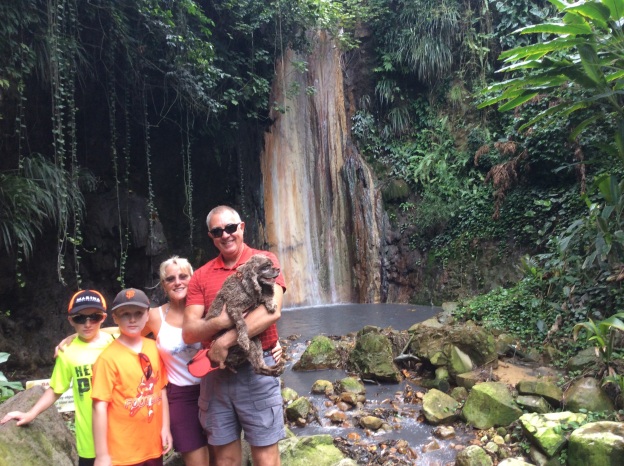
Ryan, Ronan, Theresa, Randy & Patton @ Diamond Falls, St. Lucia, Botanical Gardens

St. Lucia: Exploring the Island – by Ryan

Since we arrived in St. Lucia a couple of weeks ago, we have all been having fun exploring the island (after school, of course).

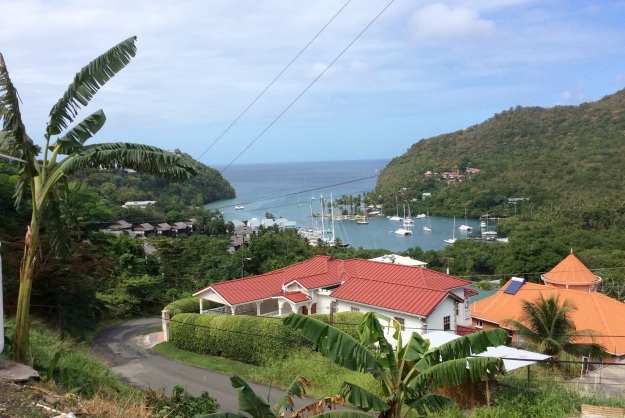
Marigot Bay, St. Lucia

Marigot Bay, St. Lucia

From Marigot Bay, we visited two fishing villages, Anse La Ray, and Canaries. We learned that most of their fishing skiffs are made with wood from the local rain forest and that the majority of the fish they catch is sold to local restaurants and resorts. We had great views of the Ocean and the Pitons on our drive along the coast.

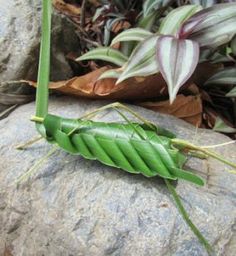
Grass (Palm Frond) Grasshopper

Grass (Palm Frond) Grasshopper

We also visited Diamond Falls and the Botanical Gardens. Our guide there was nick-named “Alexander the Great.” He told us about all of the plants and trees in the gardens. Most of the plants we saw only grow in tropical climates so we don’t see them growing in the United States. Alex the Great also made me a grass hopper. Literally a “grass hopper” made from local palm fronds.

Alex also took us to this awesome waterfall that was approximately twenty-five (25) meters tall. The water from the waterfall is different colors every day depending on which minerals are flowing through the water. After the waterfall he showed us a river with water from an underground spring heated by the volcano. It was very hot and super cool!

Another cool place we visited was a drive in volcano and sulphur springs in Soufriere. The sulphur smelled like rotten eggs. Our guide at the volcano told us there has not been a major eruption in forty thousand (40,000) years. He also told us that once another guide was showing tourists how below the ground there was hot boiling water. He jumped down below so they could hear the ground crack. He cracked the ground open and fell into a hole of hot water. He was OK, but after that they put up railings.

This past week we left Marigot Bay and cruised north to Rodney Bay. We pulled into the channel right behind former Apple CEO Steve Jobs’s Mega Yacht “Venus.” It is 78.2 meters (235′) long and is an unusual looking boat. It looks like, if you looked at it from up above, an iphone resting on top of an ipad, in an ipad box.

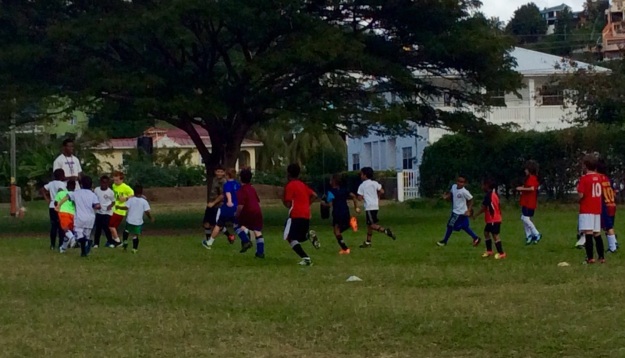
We are currently at he IGY marina in Rodney Bay. It is a great spot and has everything a boater would want or need. This includes a marine chandlery, floating docks, 50 and 60 Hz power, restaurants, a pool, and two malls and a bulk provisioning store nearby. There is also a great big field where a lot of kids come to play soccer. Yesterday we played in a soccer match at a nearby school.

Soccer in S. Lucia

Soccer in S. Lucia

Soccer in S. Lucia

Soccer in S. Lucia

St. Lucia has been a lot of fun and I hope we can come back someday!